
Public Figures
Sheikh Ahmad Gumi Biography: Age, Net Worth, Religion, Career

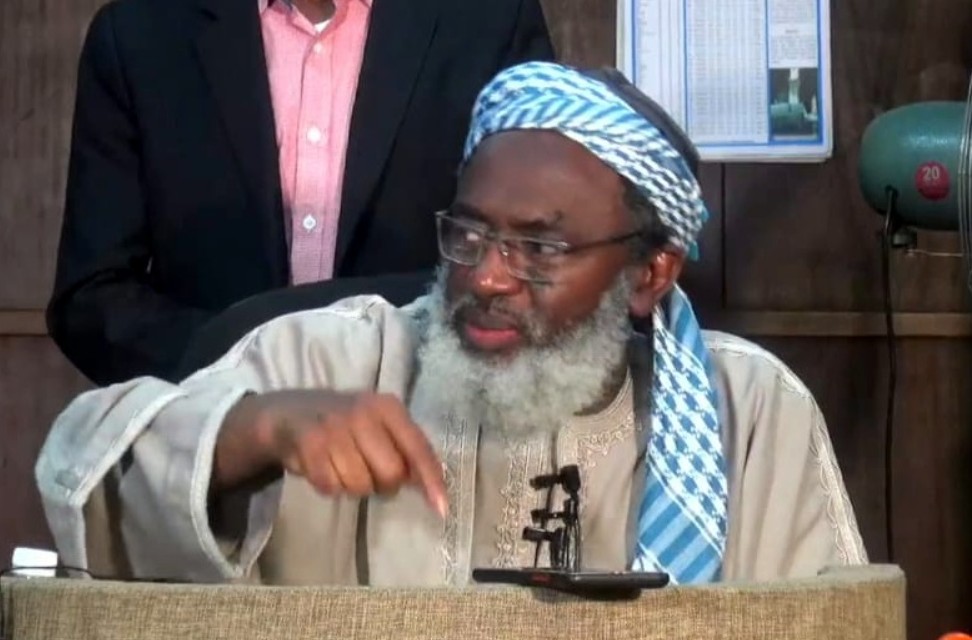
In the complex tapestry of Nigeria’s socio-political and religious landscape, few figures command as much attention—and polarization—as Sheikh Ahmad Gumi. A trained medical doctor, a retired military captain, and a revered Islamic scholar, Gumi sits at the intersection of faith, security, and governance. While his lineage connects him to one of Northern Nigeria’s most legendary clerics, his contemporary relevance stems from his controversial and high-profile efforts to negotiate with armed bandits in the country’s volatile Northwest. This biography delves into the life of the man who traded a stethoscope and a rifle for the pulpit, becoming a central, albeit disputed, voice in Nigeria’s national security dialogue.
Quick Facts Overview
- Full Name: Ahmad Abubakar Mahmud Gumi
- Birth Date: October 1, 1960
- Place of Birth: Kano State, Nigeria
- State of Origin: Zamfara State (Gummi LGA)
- Profession: Islamic Scholar, Medical Doctor, Former Military Officer
- Rank at Retirement: Captain (Nigerian Army)
- Known For: Banditry negotiations, Islamic jurisprudence, Mufti at Sultan Bello Mosque
- Religion: Islam (Sunni)
- Net Worth (Estimated): ~$1 Million USD
- Status: Alive
Who Is Sheikh Ahmad Gumi?
Sheikh Ahmad Abubakar Gumi is the current Mufti and Mufassir at the Sultan Bello Mosque in Kaduna, a position that carries immense religious weight in Northern Nigeria. He is the eldest son of the late Sheikh Abubakar Gumi, the first Grand Khadi of the Northern Region and a pivotal figure in the Izala movement. Unlike many traditional clerics who remain solely within the theological sphere, Ahmad Gumi has carved a unique niche by actively engaging in state affairs, particularly regarding insecurity. He is widely recognized for his daring visits to bandit hideouts in forests across Zamfara, Niger, and Kaduna states, advocating for amnesty and dialogue over kinetic military action—a stance that has earned him both commendation as a peacemaker and condemnation as a terrorist sympathizer.
Early Life and Family Background
Born on October 1, 1960—the very day Nigeria gained independence—Ahmad Gumi’s life has arguably mirrored the nation’s turbulent history. Though born in Kano, his family roots are in Gummi, a town in present-day Zamfara State.
He was born into a dynasty of Islamic scholarship. His father, Sheikh Abubakar Mahmud Gumi (1922–1992), was a reformist scholar who challenged the status quo of Sufi brotherhoods and championed the *Izala* movement, emphasizing a return to the Quran and Sunnah. Growing up in this intellectually charged environment, Ahmad was exposed to theological debates and the Arabic language from a tender age. However, his father encouraged Western education alongside Islamic studies, a progressive stance that shaped Ahmad’s multifaceted career.
Rise to Prominence / Career Journey
Sheikh Gumi’s career trajectory is far from the typical path of a Nigerian cleric. It spans three distinct fields: medicine, the military, and theology.
Medical and Military Service
After completing his secondary education at the prestigious Sardauna Memorial College (SMC) in Kaduna, Gumi gained admission to Ahmadu Bello University (ABU), Zaria. He graduated as a medical doctor, a qualification that later facilitated his entry into the Nigerian Army.
Upon graduation, Gumi enlisted in the Nigeria Defence Academy (NDA) and was commissioned into the Nigerian Army Medical Corps (NAMC). He served as a medical officer, rising to the rank of Captain. His time in the military instilled in him a sense of discipline and a strategic understanding of security infrastructure—assets he would later deploy in his critiques of Nigeria’s counter-terrorism strategies.
Transition to Islamic Scholarship
Despite a promising military career, Gumi resigned his commission to pursue his spiritual heritage. He relocated to Saudi Arabia, enrolling at the Umm al-Qura University in Mecca. There, he immersed himself in Islamic Jurisprudence (*Fiqh*) and Exegesis (*Tafsir*), eventually earning a PhD. His time in Mecca allowed him to study alongside prominent global Islamic figures, solidifying his theological credentials.
He returned to Nigeria to succeed his late father as the chief scholar at the Sultan Bello Mosque in Kaduna. His annual Ramadan *Tafsir* sessions attract thousands of attendees and are broadcast widely, making him a primary influencer of public opinion in the North.
Political and Professional Influence
Sheikh Gumi’s influence extends well beyond the mosque. He has positioned himself as a bridge between the Nigerian state and the aggrieved, armed groups terrorizing the Northwest.
The Banditry Negotiations
Starting around 2020, as banditry escalated, Gumi began a series of “peace missions.” He ventured into deep forests to meet with notorious bandit commanders, often accompanied by media crews but rarely with heavy security. His argument was that the bandits were not ideologically driven terrorists like Boko Haram, but rather aggrieved herdsmen reacting to cattle rustling, marginalization, and military brutality.
He famously called for a “blanket amnesty” for these groups, similar to the program offered to Niger Delta militants in 2009. He argued that the government should fund cattle ranching and education for Fulani herders to wean them off crime.
Criticism of Governance
Gumi has been a vocal critic of successive administrations. He was famously critical of President Muhammadu Buhari’s handling of the economy and security, despite their shared Fulani ethnicity. In the lead-up to the 2023 elections and beyond, he continued to challenge the political elite, urging them to address the root causes of poverty rather than relying solely on military force.
Personal Life
Sheikh Gumi maintains a relatively private family life despite his public visibility. He is married to Hajia Husseina Ahmed Anaje and is a father to several children. He resides in Kaduna, the administrative capital of Northern Nigeria.
While his father was known for an austere lifestyle, Ahmad Gumi is often seen as more modern, bridging the gap between traditional Islamic values and contemporary realities. Reports suggest he lives a comfortable life, supported by his medical practice, farming interests, and the support of his large congregation.
Net Worth and Income Sources
While specific financial records for religious leaders in Nigeria are not public, Sheikh Ahmad Gumi’s net worth is estimated to be around $1 Million USD.
His income is derived from multiple streams:
- Medical Consultancy: As a trained physician.
- Agricultural Ventures: He is reported to have investments in farming.
- Publications and Media: Revenue from his books, sermons, and media engagements.
- Philanthropy: Like many clerics, he manages funds meant for charitable works, though these are technically not personal income.
Controversies or Public Criticism
Gumi’s activism has made him a lightning rod for controversy.
Sympathy for Bandits?
Critics, including the Southern and Middle Belt Leaders’ Forum, have accused Gumi of being an apologist for terrorists. His statements urging the military not to kill bandits and his claims that “Christian soldiers” were responsible for killing bandits caused a national uproar. He was invited by the Department of State Services (DSS) for questioning in 2021 and again in 2024 following inflammatory remarks.
The 2025 Hajj Ban
In a significant development in May 2025, Sheikh Gumi was reportedly barred by Saudi Arabian authorities from performing the Hajj pilgrimage. Reports indicated that despite obtaining a visa, he was denied entry upon arrival in Medina and deported. He attributed this to his outspoken political views, suggesting that the Saudi authorities were uncomfortable with his presence due to his controversial standing on security matters.
Religious Friction
Gumi has also faced backlash from other Islamic sects in Nigeria. His reformist Izala roots often put him at odds with the Tijaniyya and Qadiriyya Sufi orders, continuing the theological rivalry his father famously engaged in.
Legacy and Public Perception
Sheikh Ahmad Gumi’s legacy is currently being written. To his followers, he is a brave truth-teller willing to risk his life to solve a security crisis that the military has failed to quell. They view him as a pragmatic leader who understands that violence begets violence.
Conversely, to his detractors, he is a dangerous divisive figure who legitimizes criminality by giving bandits a political platform. Many Nigerians view his advocacy for amnesty as an insult to the victims of kidnapping and banditry.
Regardless of the perspective, Gumi has undeniably shifted the conversation on national security, forcing the government to confront the socio-economic dimensions of the conflict in Northern Nigeria.
FAQs
Who is Sheikh Ahmad Gumi’s father?
His father was Sheikh Abubakar Mahmud Gumi (1922–1992), a renowned Islamic scholar and the first Grand Khadi of Northern Nigeria.
Is Sheikh Gumi a medical doctor?
Yes, he holds a medical degree from Ahmadu Bello University and served as a medical officer in the Nigerian Army.
What is Sheikh Gumi’s stance on banditry?
He believes banditry is a socio-economic problem caused by government neglect of Fulani herders. He advocates for dialogue, amnesty, and education rather than military elimination.
Why was Sheikh Gumi invited by the DSS?
He has been invited for questioning multiple times due to his controversial comments, such as alleging that security agents collude with bandits and for his unauthorized meetings with armed groups.
Did Sheikh Gumi serve in the military?
Yes, he served in the Nigerian Army Medical Corps and retired with the rank of Captain.
Is Sheikh Gumi currently alive?
Yes, as of late 2025, Sheikh Ahmad Gumi is alive and active in Kaduna.
What is the Izala movement?
It is a reformist Islamic movement (Jama’at Izalat al Bid’a Wa Iqamat as Sunnah) championed by his father, which opposes innovation (Bid’ah) in Islam and advocates for a return to the Quran and Sunnah.
Why was Sheikh Gumi banned from Saudi Arabia?
In May 2025, he was reportedly denied entry for Hajj. He stated it was due to his political views and the Saudi authorities’ discomfort with his controversial profile.
Conclusion
Sheikh Ahmad Gumi remains an enigma in modern Nigeria—a man who wears the dual hats of a spiritual guide and a political agitator. His biography is a testament to the complex role religion plays in Nigerian governance. Whether history remembers him as a visionary peacemaker who saw the human face of a brutal conflict, or as a controversial figure who emboldened criminals, his impact on the discourse of peace and security in the 21st century is indisputable.

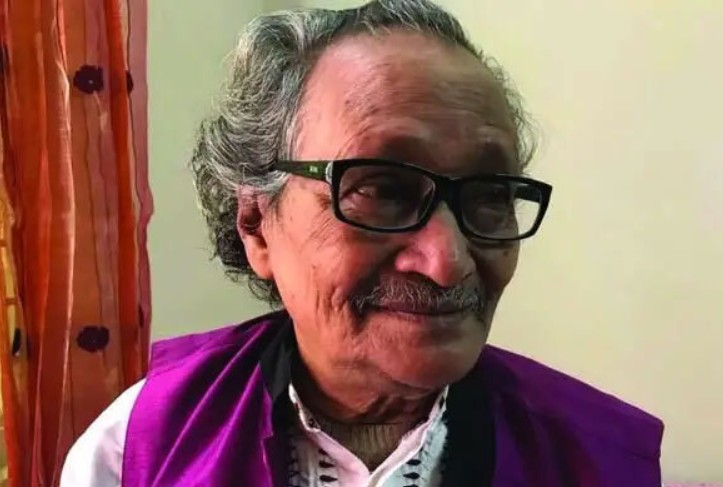
Sukumar Barua, widely revered as the “Chhararaj” (King of Rhymes) of Bangladesh, was a literary titan who transformed Bengali children’s literature through his wit, satire, and rhythmic mastery. A man who rose from the humble position of a university storekeeper to become an Ekushey Padak laureate, Barua’s life was a testament to the power of innate talent and perseverance. His passing on January 2, 2026, marks the end of a golden era in Bengali rhyme, leaving behind a legacy that has shaped the childhoods of millions.
Quick Facts Overview
- Full Name: Sukumar Barua
- Nickname: Chhararaj (King of Rhymes), Chharasamrat
- Date of Birth: January 5, 1938
- Date of Death: January 2, 2026 (Aged 87)
- Place of Birth: Madhyam Binajuri, Raozan, Chittagong, Bangladesh
- Profession: Rhymester (Chhara-kar), Poet, Retired University Staff
- Known For: Revolutionizing Bengali children’s rhymes; *Pagla Ghora*, *Bhije Beral*
- Religion: Buddhism
- Spouse: Nalibala Barua
- Net Worth: Public records do not confirm this detail (Estimated: Modest/Middle-class)
- Status: Deceased
Who Is Sukumar Barua?
Sukumar Barua was a celebrated Bangladeshi poet and rhymester, best known for his humorous yet socially conscious rhymes (*chhara*). Unlike many of his contemporaries who hailed from elite academic backgrounds, Barua was a self-made litterateur. He spent his professional life as a low-level support staff member at the University of Dhaka, writing verses during his breaks and free time. Despite his modest formal education and profession, his literary genius earned him the Ekushey Padak in 2017, the second-highest civilian award in Bangladesh. He is often credited with giving modern Bengali rhyme its satirical edge, making it enjoyable for both children and adults.
Early Life and Family Background
Sukumar Barua was born on January 5, 1938, in the village of Madhyam Binajuri in the Raozan Upazila of Chittagong (now Chattogram). He was born into a devout Buddhist family to parents Sarbananda Barua and Kiran Bala Barua.
His early life was marked by financial hardship and instability. His father disappeared when Sukumar was very young, plunging the family into poverty. At the age of six, amidst the turmoil of World War II and regional instability, his family was forced to displace, further disrupting his childhood.
Barua’s formal education was limited. He attended the local Dabua School but had to drop out early due to financial constraints. However, his lack of a degree did not dampen his intellectual curiosity. He was an avid reader from a young age, teaching himself the nuances of Bengali meter and rhythm that would later define his career.
Rise to Prominence / Career Journey
Sukumar Barua’s journey to literary stardom is one of the most inspiring narratives in Bangladeshi literature.
The Struggle in Dhaka
In 1960, seeking a livelihood, Barua moved to Dhaka. He initially worked odd jobs, including a stint as a cook (chef) and a housekeeper. In 1962, he secured a job as a fourth-class employee (support staff) at the University of Dhaka. He worked in the Department of Biochemistry and later the Institute of Nutrition and Food Science. He eventually retired in 1999 as a storekeeper.
Literary Breakthrough
While his days were spent managing university stores, his nights were dedicated to writing. His literary career officially began around 1963. His first poem was published in a newspaper in 1968, catching the attention of readers with its fresh, rhythmic quality.
In 1970, he published his first book, *Pagla Ghora* (The Mad Horse). The book was an instant success, establishing him as a unique voice in children’s literature. Unlike traditional rhymes that focused solely on fantasy, Barua’s work often contained subtle social commentary wrapped in humor.
Over the next six decades, he published numerous classics, including:
- *Bhije Beral* (Wet Cat)
- *Chhotoder Haat*
- *Lej Abishkar* (Tail Discovery)
- *Nadir Khela*
- *Chandanar Pathshala*
His rhymes became staples in juvenile magazines like *Kochi-Kachar Ashor*, *Khelaghar*, and *Mukuler Mahfil*.
Political / Professional Influence
While primarily a children’s writer, Sukumar Barua’s work held significant cultural weight.
- Satire as a Tool: Barua was a master of using “nonsense rhymes” to critique social absurdities and political hypocrisy. His poems often reflected the sentiments of the common man, making them timeless.
- The Liberation War: During the Bangladesh Liberation War of 1971 and the subsequent years of nation-building, his rhymes often carried patriotic undertones and messages of resilience, subtly influencing the cultural consciousness of the new nation.
- Awards and Recognition: His contribution was formally recognized by the state when he received the Bangla Academy Literary Award (1977) and the prestigious Ekushey Padak (2017). These awards validated the idea that literary greatness is not bound by professional rank or academic degrees.
Personal Life
Sukumar Barua was a family-oriented man who lived a simple life away from the limelight.
- Marriage: He was married to Nalibala Barua (some sources cite Nonibala).
- Children: The couple had four children—one son, Arup Ratan Barua, and three daughters, including Anjana Barua.
- Lifestyle: Despite his fame, Barua never sought luxury. He lived in a modest rented house for many years before settling into a quiet retirement. He was known for his humility and approachability, often seen interacting with young fans and aspiring writers without any airs of celebrity.
Net Worth and Income Sources
Public records do not confirm Sukumar Barua’s exact net worth.
However, based on his career trajectory, it is estimated that he belonged to the lower-middle to middle-class economic bracket.
- Primary Income: His main source of income for 37 years was his salary as a Class IV and later Class III employee (storekeeper) at the University of Dhaka, which is a modest government pay scale.
- Literary Income: While he was a best-selling author in the niche of children’s literature, royalty earnings for authors in Bangladesh during his peak active years were generally not substantial enough to amass significant wealth.
- Assets: He owned an ancestral home in Raozan, Chittagong, where his funeral rites were performed.
Controversies or Public Criticism
Sukumar Barua maintained a pristine public image throughout his life.
- Clean Image: There are no known public controversies, legal battles, or scandals associated with his name.
- Universal Appeal: He was one of the few literary figures who enjoyed universal affection across political and social divides in Bangladesh. His work was viewed as apolitical in a partisan sense, though socially aware, shielding him from factional criticism.
Death
Sukumar Barua passed away on the morning of Friday, January 2, 2026.
- Cause of Death: He died due to age-related complications. He had been suffering from heart disease, diabetes, and high blood pressure for several years. He had also suffered a stroke in 2006 that left his leg paralyzed. In his final days, he was hospitalized due to fluid accumulation in his lungs.
- Place of Death: He breathed his last at JK Memorial Hospital in Gahira, Raozan Upazila, Chattogram.
- Age: He was 87 years old (just three days shy of his 88th birthday).
- Funeral: His funeral rites were announced to take place at his ancestral village in Binajuri, Raozan.
Legacy and Public Perception
Sukumar Barua is remembered as a legend who proved that creativity knows no class barriers.
- The “Chhararaj”: He is definitively regarded as the “King of Rhymes” in Bangladesh. Critics argue that after the legendary Annada Shankar Ray, no other Bengali poet has mastered the art of rhyme as effectively as Barua.
- Cultural Impact: His rhymes are frequently recited in schools and cultural competitions across Bangladesh and West Bengal. Phrases from his poems have entered the vernacular as idioms for foolish or hypocritical behavior.
- Inspiration: His life story—rising from a child refugee and a university cook to a national icon—serves as an enduring inspiration for self-taught artists and writers.
FAQs
Who was Sukumar Barua?
Sukumar Barua was a renowned Bangladeshi rhymester and poet, famous for his humorous and satirical children’s rhymes. He was a recipient of the Ekushey Padak.
When did Sukumar Barua die?
Sukumar Barua passed away on January 2, 2026, at the age of 87.
What was Sukumar Barua’s profession?
Professionally, he was a support staff member (storekeeper) at the University of Dhaka. He wrote poetry and rhymes alongside his job.
What is Sukumar Barua’s most famous book?
His first book, *Pagla Ghora* (The Mad Horse), published in 1970, is arguably his most famous work. *Bhije Beral* is another classic.
Did Sukumar Barua win the Ekushey Padak?
Yes, he was awarded the Ekushey Padak, Bangladesh’s second-highest civilian honor, in 2017 for his contributions to language and literature.
What religion did Sukumar Barua follow?
Sukumar Barua was a follower of Buddhism.
Where was Sukumar Barua born?
He was born in Madhyam Binajuri village in Raozan, Chittagong (now Chattogram), Bangladesh.
What was the cause of Sukumar Barua’s death?
He died from age-related ailments, including complications from a previous stroke, heart disease, and fluid accumulation in the lungs.
Conclusion
Sukumar Barua’s life was a poetic defiance of circumstance. He did not let poverty, displacement, or a lack of formal education silence his voice. Instead, he used these experiences to craft rhymes that were as grounded as they were magical. As Bangladesh bids farewell to its “Chhararaj” on this day in 2026, his legacy remains immortalized in the laughter of children reciting *Pagla Ghora* and the nod of adults recognizing the sharp wit behind his simple verses. He was, and remains, a true people’s poet.
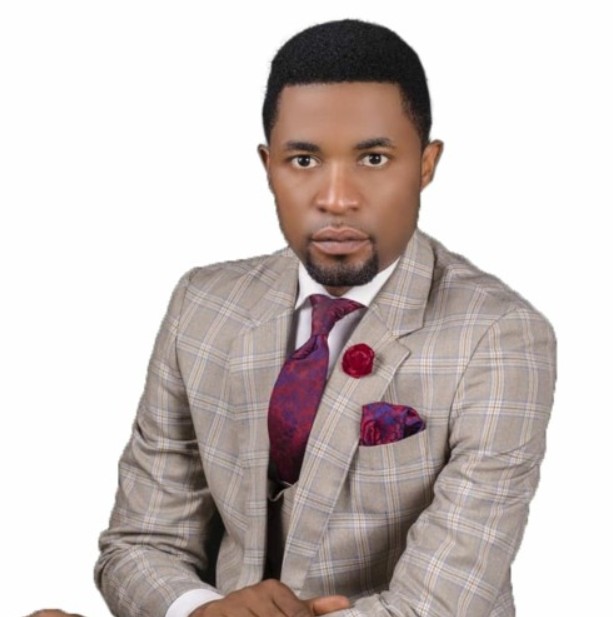
Apostle Michael Orokpo has emerged as one of the most significant apostolic voices in Nigeria’s modern Pentecostal movement. Known for his intellectual depth, fiery preaching, and emphasis on biblical doctrine, Orokpo bridges the gap between academic rigor and spiritual revival. As the founder of Encounter Jesus Ministries International, he has cultivated a global following, influencing a new generation of believers through his teachings on kingdom realities, consecration, and the priesthood of the believer.
Quick Facts Overview
- Full Name: Orokpo Micheal Apeh
- Birth Year: March 1, 1981
- Place of Birth: Otukpa, Benue State, Nigeria
- Profession: Clergyman, Theologian, Chemist
- Known For: Apostolic teaching, Revivalist preaching, Founder of Encounter Jesus Ministries International
- Religion: Christianity (Pentecostal)
- Net Worth (Estimated): $500,000 – $1 Million (USD)
- Status: Alive
Who Is Apostle Michael Orokpo?
Apostle Michael Orokpo is a Nigerian Christian minister, revivalist, and theologian celebrated for his ability to demystify complex spiritual truths. He is the President and Founder of Encounter Jesus Ministries International, headquartered in Abuja, Nigeria. Before establishing his own ministry, he was a prominent figure within the Remnant Christian Network (RCN), serving under the leadership of Apostle Arome Osayi.
Orokpo is distinct among Nigerian clergy for his dual background in science and theology. A holder of a Doctorate in Chemistry, he frequently employs scientific logic to explain spiritual concepts, making his messages highly appealing to intellectuals and young professionals. His ministry is characterized by a strong focus on the Holy Spirit, holiness, and returning the church to foundational apostolic doctrines.
Early Life and Family Background
Born on March 1, 1981, in Otukpa, a town in the Idoma-speaking region of Benue State, Nigeria, Michael Orokpo grew up in a devout environment. Public records indicate he was born into the Orokpo family, where his father practiced as a veterinary professional.
His early years were marked by a hunger for knowledge, both secular and spiritual. He pursued his education at the Federal University of Agriculture, Makurdi (FUAM), where he demonstrated exceptional academic prowess. He earned a Bachelor of Science (B.Sc.) in Pure Chemistry, followed by a Master of Science (M.Sc.) in Physical Chemistry. Driven by a passion for academia, he eventually completed his Ph.D. in Chemistry from the same institution.
While navigating his rigorous academic path, Orokpo began sensing a strong call to ministry. Reports from his early life suggest that he was involved in campus fellowships, where his unique preaching style began to take shape.
Rise to Prominence / Career Journey
The Remnant Christian Network (RCN) Era
Apostle Orokpo’s rise to national prominence is closely tied to his tenure with the Remnant Christian Network (RCN) in Makurdi. He was ordained as a Reverend on May 24, 2019, and served as a key instructor at the Cave of Adullam Bible College, the ministry’s training arm.
During this period, his sermons—often clips shared on social media—went viral. Messages such as *”The Dimension of the Spirit”* and *”Planted in the Spirit”* circulated widely on WhatsApp and YouTube, introducing him to a global audience. He became known for his “drunken” style of preaching—a term used by followers to describe his intense, Spirit-led delivery that often left audiences in deep introspection.
Founding Encounter Jesus Ministries International
In late 2021, following what he described as a divine instruction, Orokpo transitioned from RCN to establish his own ministry. On November 11, 2021, he officially launched Encounter Jesus Ministries International in Abuja.
The ministry grew rapidly, attracting thousands of young Nigerians. By 2024 and 2025, the church had expanded its digital footprint, launching a dedicated mobile application to bypass censorship algorithms on mainstream social media platforms. His ministry focuses on three core pillars:
1. Intimacy with God: Prioritizing the secret place of prayer.
2. Doctrine: Teaching sound biblical theology.
3. Manifestation: Demonstrating the power of the Kingdom.
Political / Professional Influence
While Apostle Orokpo maintains a neutral stance on partisan politics, his influence on the professional class in Nigeria is profound. He frequently addresses the need for “Territorial Dominion,” urging Christians to excel in the marketplace, governance, and academia.
- Educational Influence: As a former lecturer and a Ph.D. holder, he commands respect in academic circles, often speaking at campus crusades across Nigerian universities.
- Mentorship: He runs an online mentorship program that equips thousands of young ministers and professionals with leadership skills rooted in biblical ethics.
- Digital Impact: His sermons are a staple in the Nigerian digital space, shaping the theological perspectives of millions of internet-savvy believers.
Personal Life
Apostle Michael Orokpo is a family man who emphasizes the sanctity of marriage.
- Marriage: He married Osenaga Umobuarie on April 23, 2021 (traditional) and April 24, 2021 (white wedding). Osenaga is a worship leader and the founder of *The Brave International*, an initiative focused on youth development.
- Children: The couple welcomed their first son, Moses Idango Orokpo, on February 7, 2022. Subsequent reports indicate the family has grown, with a second child born in March 2024 and a third child arriving in late 2025.
- Lifestyle: Despite his rising profile, Orokpo is known for maintaining a relatively modest lifestyle compared to some flamboyant contemporaries, often redirecting focus to his ministry’s mission rather than personal wealth.
Net Worth and Income Sources
As of early 2026, Apostle Michael Orokpo’s estimated net worth falls between $500,000 and $1 Million. Unlike many celebrity pastors, his wealth appears to stem from diverse, transparent sources:
1. Ministry Support: Tithes, offerings, and donations from a global partner base.
2. Book Sales: He has authored several Christian books and ministry materials that sell widely in Nigeria and abroad.
3. Speaking Engagements: He is a sought-after speaker for conferences across Africa, Europe, and North America.
4. Digital Content: Monetization from online platforms where his content receives millions of views.
Controversies or Public Criticism
Apostle Orokpo has navigated the typical challenges associated with high-profile ministry, maintaining a generally scandal-free reputation. However, a few moments have sparked public discourse:
- Exit from RCN: His departure from Remnant Christian Network in 2021 fueled speculation about a rift with his spiritual father, Apostle Arome Osayi. Orokpo consistently debunked these rumors, publicly honoring Osayi and maintaining that his exit was solely due to a divine mandate to plant a church in Abuja.
- Social Media Censorship: In 2025, he publicly criticized big tech companies for allegedly muting gospel content, which led to the launch of his ministry’s independent app. This move was viewed by some as controversial but by his followers as a bold step for spiritual independence.
Legacy and Public Perception
Apostle Michael Orokpo is widely regarded as a “General” of the new wave of revival in Nigeria. He is credited with making deep theological truths accessible to the common man.
- Theological Bridge: He is seen as a bridge between the conservative evangelical tradition and the charismatic Pentecostal movement.
- Youth Icon: For millions of Nigerian youths, he represents a model of how to combine spiritual fire with intellectual excellence.
- Revivalist: His legacy is already being defined by his relentless pursuit of revival—specifically the burden to see the “spirit of the fathers” rest upon the younger generation.
FAQs
Who is Apostle Michael Orokpo’s wife?
He is married to Osenaga Umobuarie Orokpo, a worship minister and the Head of Corporate Responsibility at a major investment group.
What is Apostle Michael Orokpo’s educational qualification?
He holds a Bachelor of Science (B.Sc.), Master of Science (M.Sc.), and a Doctorate (Ph.D.) in Chemistry from the Federal University of Agriculture, Makurdi.
When did Apostle Michael Orokpo start his church?
He officially founded Encounter Jesus Ministries International on November 11, 2021, in Abuja, Nigeria.
Who is Apostle Michael Orokpo’s spiritual father?
While he currently leads his own ministry, he has publicly acknowledged Apostle Arome Osayi as a significant spiritual father and mentor who shaped his early ministry.
Is Apostle Michael Orokpo still a lecturer?
While he was formerly a lecturer at the Cave of Adullam Bible College and an academic instructor, he is now primarily focused on his full-time ministry work.
How old is Apostle Michael Orokpo?
Born on March 1, 1981, he is 44 years old (as of January 1, 2026).
What is the name of Apostle Michael Orokpo’s church?
The church is called Encounter Jesus Ministries International.
Does Apostle Michael Orokpo have children?
Yes, he has three children. His first son, Moses, was born in 2022, followed by two other children born in 2024 and 2025 respectively.
Conclusion
Apostle Michael Orokpo stands as a testament to the power of consecrated living. From the lecture halls of a chemistry department to the pulpits of global conferences, his journey reflects a man deeply committed to excellence in all spheres of life. As he continues to expand his ministry from Abuja to the nations, his influence on the body of Christ remains undeniable. He is not just a preacher but a reformer, challenging believers to look beyond religion and seek a genuine, transformative encounter with Jesus.
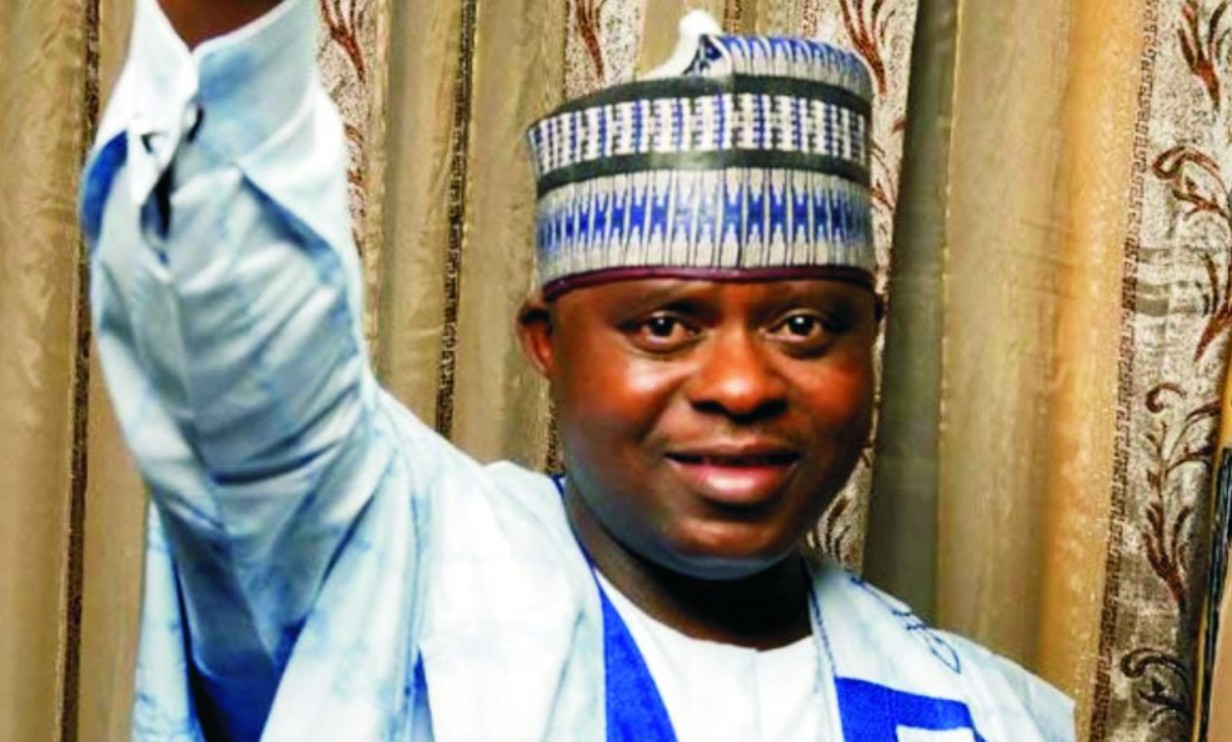
Senator Godiya Akwashiki (August 3, 1973 – December 31, 2025) was a distinguished Nigerian politician who served as the Senator representing Nasarawa North Senatorial District. A seasoned legislator, he rose from the State House of Assembly to the National Senate, becoming a pivotal figure in the politics of Nasarawa State.
His sudden death on New Year’s Eve 2025 marked the end of a dynamic political career characterized by grassroots mobilization, controversial yet resilient survival of scandals, and a reputation for bridging party lines—having served under the People’s Democratic Party (PDP), All Progressives Congress (APC), and the Social Democratic Party (SDP).
Quick Facts Overview
- Full Name: Godiya Akwashiki
- Date of Birth: August 3, 1973
- Date of Death: December 31, 2025 (Aged 52)
- Place of Birth: Angba Iggah, Nasarawa Eggon LGA, Nasarawa State
- Nationality: Nigerian
- Profession: Politician
- Political Party: Social Democratic Party (SDP) [Last Affiliation]
- Previous Parties: PDP, APC
- Religion: Christianity
- Marital Status: Married
- Net Worth (Estimated): ₦400 Million – ₦800 Million (at time of death)
- Status: Deceased
Who Is Godiya Akwashiki?
Godiya Akwashiki was a two-term Senator of the Federal Republic of Nigeria and a former Deputy Speaker of the Nasarawa State House of Assembly. Known for his “man of the people” persona, he was the only Senator from Nasarawa North to secure two consecutive terms since the state’s creation, a testament to his deep-rooted popularity in the Eggon nation.
Despite facing significant political and personal hurdles—including a high-profile assault scandal in 2019—Akwashiki maintained a stronghold on his constituency. He was serving as the Chairman of the Senate Committee on Air Force at the time of his passing in late 2025.
Early Life and Family Background
Born on August 3, 1973, in Angba Iggah, a village in the Nasarawa Eggon Local Government Area, Godiya Akwashiki came from humble beginnings. He was born to Mr. Akwashiki Walaro and Mrs. Ramatu Akwashiki.
His educational journey began locally:
- Primary Education: Government Primary School, Angba Iggah (First School Leaving Certificate, 1987).
- Secondary Education: Government Technical College, Assakio, graduating with a Senior Secondary Certificate in Education (SSCE) in 1993.
- Higher Education: He proceeded to Nasarawa State University, Keffi, where he earned a Bachelor of Science (B.Sc.) in Business Administration in 2010.
Growing up in a multi-religious and culturally rich environment, Akwashiki navigated the complex social fabrics of the Middle Belt, which later influenced his ability to connect with diverse voter bases.
Rise to Prominence / Career Journey
Akwashiki’s political career was a steady climb from state-level politics to national prominence.
State Legislature (2011–2019)
He entered the political arena in 2011, winning a seat in the Nasarawa State House of Assembly under the platform of the People’s Democratic Party (PDP). His leadership qualities were quickly recognized:
- 2011–2015: Served as the Majority Leader of the House.
- 2015–2019: Re-elected and elevated to the position of Deputy Speaker.
The Senate (2019–2025)
In the 2019 general elections, Akwashiki took a significant leap to the National Assembly. He contested for the Nasarawa North Senatorial District seat under the All Progressives Congress (APC) and won, defeating established opponents.
His first term was marked by active committee work, including serving as the Chairman of the Senate Committee on Inter-Parliamentary Affairs and Vice Chairman of the Media and Public Affairs Committee.
Political Defection and Re-election
In a dramatic turn of events leading up to the 2023 elections, Akwashiki felt sidelined by the internal dynamics of the APC. In 2022, he defected to the Social Democratic Party (SDP). Despite running on a minor party ticket, his personal brand was strong enough to secure a landslide victory, making him one of the few Senators to win re-election on a third-force platform in the 2023 cycle.
Political / Professional Influence
Senator Akwashiki was a vocal advocate for the Eggon nation and the broader Nasarawa North district. His influence extended beyond lawmaking into strategic political maneuvering.
- Committee Leadership: As Chairman of the Senate Committee on Air Force (appointed August 2023), he oversaw critical oversight functions regarding national security and the Nigerian Air Force’s operations.
- Grassroots Mobilizer: He was often described as a “political survivor.” His ability to switch parties (PDP to APC to SDP) and still retain his seat highlighted his personal influence over party loyalty.
- Development Projects: He was credited with attracting federal presence to Nasarawa North, including rural electrification projects and educational scholarships for indigent students.
Personal Life
Senator Akwashiki was a private family man despite his public profile. He was married and is survived by his wife and children. He was known to be a devout Christian, a faith that played a role in his community engagements within the predominantly Christian areas of Nasarawa Eggon.
Net Worth and Income Sources
At the time of his death in late 2025, Senator Godiya Akwashiki’s net worth was estimated to be between ₦400 Million and ₦800 Million.
Income Sources:
- Legislative Salary & Allowances: As a Nigerian Senator, he earned a significant statutory salary and running costs, which are among the highest for legislators globally.
- Business Interests: Before and during politics, he maintained interests in business administration and local investments, though specific details of his private portfolio were not publicly declared.
Controversies or Public Criticism
The 2019 Assault Incident
The most significant controversy of Akwashiki’s career occurred in March 2019, shortly after his election to the Senate. A video went viral showing the Senator-elect being stripped to his undergarments and assaulted by a mob in Abuja.
- The Allegation: He was accused of seducing the wife of a fellow politician, Danladi Envulanza.
- The Defense: Akwashiki maintained his innocence, claiming he was set up and lured to the location.
- The Outcome: Following a police investigation, Akwashiki was cleared of all allegations. The police report stated that the seduction claim could not be established and that the Senator had been a victim of a coordinated assault and defamation.
Despite the humiliation intended by the attackers, Akwashiki survived the scandal politically, swearing in as Senator months later and eventually winning re-election.
Death
Senator Godiya Akwashiki passed away on Wednesday, December 31, 2025, at a hospital in India. He was 52 years old.
- Cause of Death: While the specific medical condition was not disclosed to the public, family sources confirmed he had been battling a “protracted illness” and had been flown to India for advanced medical treatment.
- Announcement: The news broke on New Year’s Day, January 1, 2026, sending shockwaves through Nasarawa State.
Legacy and Public Perception
Godiya Akwashiki is remembered as a resilient political gladiator. To his supporters, he was a provider who brought dividends of democracy to the grassroots. To his critics, he was a controversial figure who navigated the murky waters of Nigerian politics with varying degrees of ethical scrutiny.
Key Aspects of His Legacy:
- Political Resilience: The only Senator from his zone to win back-to-back terms.
- Party Fluidity: Proved that individual popularity could trump party structures in Nasarawa politics.
- Eggon Leadership: He was seen as a primary voice for the Eggon ethnic group at the federal level.
FAQs
When did Senator Godiya Akwashiki die?
He died on December 31, 2025, in an Indian hospital.
What party was Godiya Akwashiki in?
At the time of his death, he was a member of the Social Democratic Party (SDP), having defected from the APC in 2022.
Was Senator Akwashiki a Christian or Muslim?
He was a Christian.
What happened in the 2019 viral video involving Senator Akwashiki?
He was assaulted and stripped by a mob over allegations of seducing a politician’s wife. The police later investigated and cleared him of any wrongdoing, describing the incident as a set-up.
Which constituency did he represent?
He represented Nasarawa North Senatorial District.
How old was Senator Akwashiki when he died?
He was 52 years old.
What was his position in the Senate?
He was the Chairman of the Senate Committee on Air Force.
Who is taking over his seat?
As of January 1, 2026, the seat is vacant. The Independent National Electoral Commission (INEC) is expected to conduct a bye-election within 90 days to fill the vacancy.
Conclusion
Senator Godiya Akwashiki’s life was a testament to the volatility and vibrancy of Nigerian politics. From a local councilor to a powerful Senator, he navigated scandals, party changes, and health challenges with tenacity. His death on the eve of 2026 leaves a significant vacuum in Nasarawa North politics, closing the chapter on one of the state’s most colorful and enduring political figures.
Jim Guzman Biography, Early Life & Legacy

Mickey Rourke Biography, Age, Net Worth, Religion, Career

Sukumar Barua Biography, 87 Years Old, Net Worth, Buddhism, Rhymester

Dr. Reginald Santos Biography: Age, Net Worth, Religion, Career

Latif Ayodele Biography (Anthony Joshua Trainer), 38, Net Worth, Religion, Career

David “Jayjay” Suarez Biography: Age, Net Worth, Religion, Career
-
 Others3 months ago
Dr. Reginald Santos Biography: Age, Net Worth, Religion, Career
-
 Others3 months ago
Latif Ayodele Biography (Anthony Joshua Trainer), 38, Net Worth, Religion, Career
-
 Public Figures3 months ago
David “Jayjay” Suarez Biography: Age, Net Worth, Religion, Career
-
 Others3 months ago
Kola Oladapo Biography (Mr. Nice Guy), Age, Net Worth, Religion, Career
-

 Public Figures3 months ago
Sina Ghami Biography (Anthony Joshua Coach & Team), Age, Net Worth, Religion, Career
-

 Others3 months ago
Anda Damisa Biography, Age, Net Worth, Religion, Career
-
 General Artists3 months ago
Brigitte Bardot Biography, Age, Net Worth, Religion, Career
-

 Public Figures3 months ago
Melissa Mae Carlton Biography, Age, Net Worth, Religion, Career